Let Us Plan Your African Tours & Safaris Together! CONTACT US

Safari General

The best time for a Tanzania safari is during the dry seasons, mainly June to October and December to February. These months offer excellent wildlife viewing, fewer mosquitoes, and easier travel conditions in parks such as Serengeti, Tarangire, and Ngorongoro.

The Serengeti National Park and Ngorongoro Crater are among the best places to spot the Big Five in Tanzania. You can normally see lions, leopards, elephants, buffaloes, and rhinos, especially during the dry season when animals gather around water sources.

Tanzania safari accommodation ranges from budget camping and mid-range lodges to luxury tented camps and boutique hotels. The choice depends on your budget, travel style, and whether you prefer an immersive bush experience or more comfort.

Yes, safari travel in Tanzania is generally safe when booked with a reputable operator and followed by experienced guides. Our team ensures proper vehicle arrangements, park permits, and local guidance to give you a secure and comfortable safari experience.

Most travelers need a visa to enter Tanzania, depending on nationality. It is best to check the latest visa requirements before departure, and we are happy to guide you on the best process for your travel plans.

Pack light neutral clothing, a hat, sunscreen, sunglasses, comfortable walking shoes, a light jacket for evenings, binoculars, a reusable water bottle, and a camera. For game drives, layers are helpful because the morning and evening temperatures can be cool.

Kilimanjaro

The best time to climb Kilimanjaro is during the dry seasons, usually from June to October and January to March. The weather is cooler and visibility is better, making it the safest and most enjoyable period for trekking.

Kilimanjaro is not a technical climbing expedition, but it is physically demanding because of altitude and long trekking days. With good preparation, slow acclimatization, and a responsible guide, many climbers successfully reach the summit.

Essential equipment includes quality hiking boots, layered clothing, a warm sleeping bag, trekking poles, a headlamp, waterproof jacket, gloves, sun protection, and a daypack. Proper gear helps protect you from cold nights, rain, and strong sun at altitude.

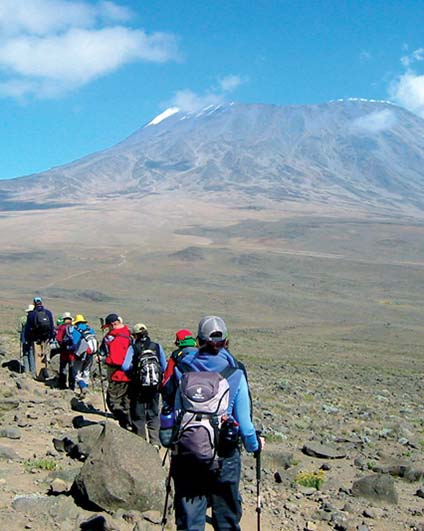
Altitude sickness occurs when the body struggles to adjust to lower oxygen levels at high elevation. It is managed by walking slowly, hydrating properly, eating well, resting when needed, and following your guide's acclimatization plan.

Yes, a licensed guide and support team are strongly recommended and usually required for a safe and successful climb. Guides handle route navigation, pacing, altitude awareness, and emergency situations, which is essential on a mountain of this size.

Popular routes include Marangu, Machame, Lemosho, Rongai, and Northern Circuit. The best route depends on your fitness, available time, budget, and preference for scenery or acclimatization speed. Longer routes usually provide better acclimatization and a higher summit success rate.


Planning & Booking

Absolutely. Many travelers combine a Tanzania safari with a Kilimanjaro climb, especially after or before a wildlife safari in the Serengeti, Ngorongoro, and Tarangire. This offers a perfect mix of adventure, wildlife, and mountain trekking in one trip.

A combined trip usually lasts 8 to 14 days, depending on the safari route, park visits, and the chosen Kilimanjaro route. Longer stays are recommended if you want a more relaxed pace and better acclimatization.

Yes, comprehensive travel insurance is highly recommended. It should cover emergency evacuation, medical treatment, trip cancellation, and trekking activity where possible. This is especially important for high-altitude trekking.

Yes, both national park entrance fees and Kilimanjaro climbing permits are required. These permits are normally organized by your tour operator, and we handle this process for our travelers to ensure everything is in order before arrival.

A typical safari package often includes airport transfers, park fees, accommodation, meals, game drives, and a driver-guide. Some tours also include flights, hot air balloon safaris, or cultural visits depending on the package selected.

We recommend booking at least 3 to 6 months ahead, especially for peak seasons and popular routes. Early booking gives you more room to choose your preferred accommodation, route, and departure date, and helps avoid sold-out lodges or permits.